

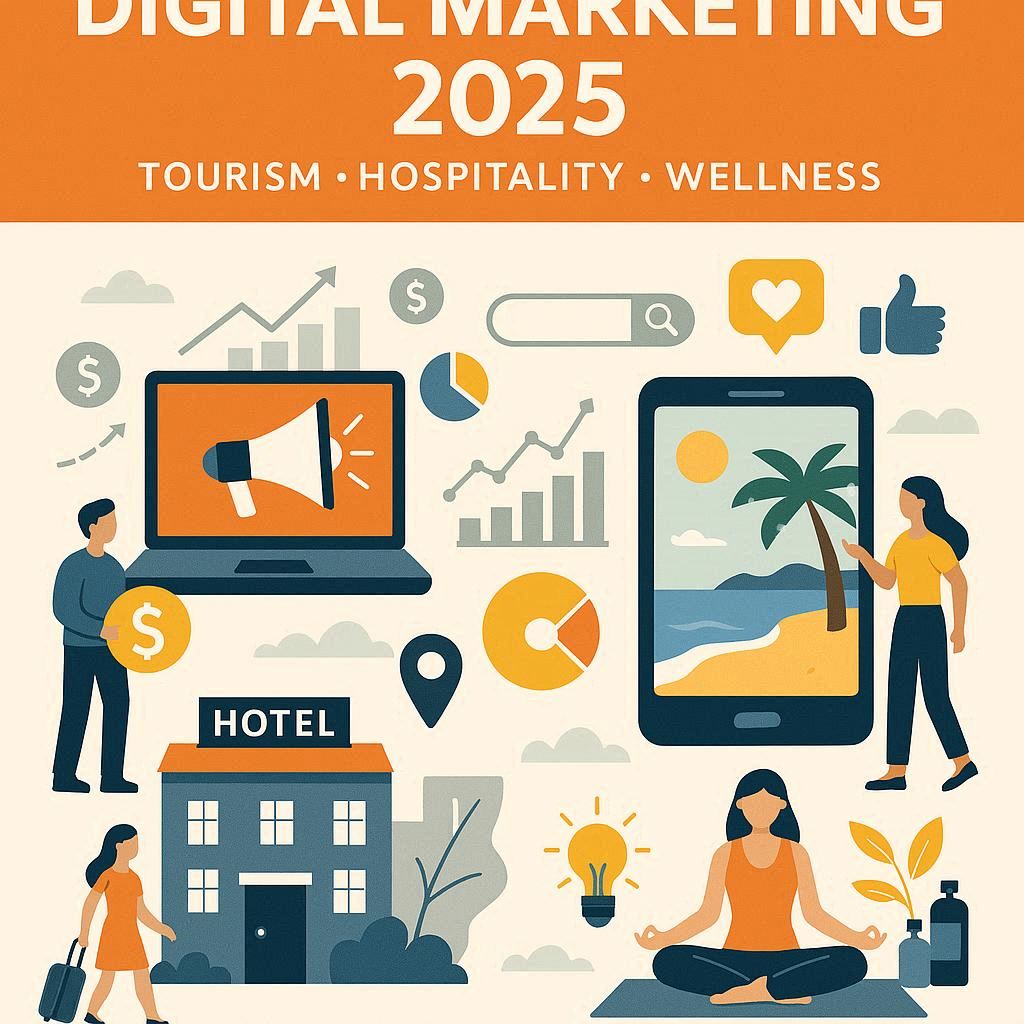
Overall picture: the power of social networks
Current figures show that digital marketing is essential. A large share of the world’s population uses social media and the average daily time spent exceeds two hours. The global number of users continues to grow year after year. For tourism and wellness businesses, this means their clients are connected almost all day and look for inspiration across multiple channels.
New platforms and formats
The decline of some traditional networks has made room for emerging platforms. BlueSky offers ad‑free spaces and niche communities, although its user base is relatively small. Threads, powered by Meta, gathers hundreds of millions of users and is positioning itself as a place for conversational content and organic opportunities. For tourism businesses, it is worth experimenting with educational and humorous content on Threads, where short texts stand out.
Users are increasingly turning to other forms of search. A significant portion of Gen Z uses social networks as their primary search engine. Voice search registers more than a billion queries per month, while visual search processes billions of queries each month. This implies optimising content for natural questions, integrating images with metadata and leveraging new generative search features on platforms like Google, Bing and AI‑based engines. In tourism, preparing pages that directly answer questions such as “where can I do yoga on the beach in Costa Rica?” increases visibility.
AI and personalisation
Artificial intelligence is no longer optional. A large majority of digital marketing strategies rely on AI‑driven decisions. These systems allow segmentation of audiences, automate ads and analyse data at scale. Likewise, most consumers demand personalisation, which forces real‑time adaptation of messages and offers based on behaviour, preferences and context. However, there is a risk of “AI fatigue”: teams must select tools that genuinely simplify tasks and avoid adding unnecessary complexity.
Social commerce and “phygital” experiences
Purchases through social networks continue to grow. Social commerce is estimated to exceed a trillion dollars in the coming years. This aligns with the rise of “phygital” experiences, where physical and digital converge to create seamless omnichannel journeys. For hotels and restaurants, enabling reservations and purchases directly from posts or videos—for example, offering a digital pass that includes lodging, wellness activities and tastings—facilitates conversion.
Content trends and communities
Employee‑generated content (EGC) and customer content are displacing marketing with famous influencers. Networks such as LinkedIn are consolidating themselves as ideal platforms for employees to share their stories. Consumers are more loyal to transparent brands, so showing internal work, dish preparation or life at a hotel builds trust. In tourism, micro‑communities and local creators have more impact than celebrities: recruiting nano‑creators such as food bloggers, historians or hiking guides to produce authentic content and reward their participation can be key.
Tourism marketing: data and storytelling
Tourism strategies in 2025 are based on data and experiences. Travel levels are projected to grow at a rate above the global average in the coming decade, and sports tourism already represents a significant share of global tourism spend. Destinations that digitise their experiences, such as mural challenges or other creative actions, report dramatic increases in visits and gain data to optimise their campaigns. Personalisation based on weather predictions, social searches and booking windows allows offers to be sent at the right time.
Content inspired by pop culture and sustainability
The phenomenon of set‑jetting shows the relationship between entertainment and tourism: many people admit that television has inspired them to travel. Some programs have generated millions of dollars in hotel revenue and bookings. Integrating film or series locations into your messages, creating themed itineraries and taking advantage of sports or cultural events can attract enthusiastic audiences.
In parallel, sustainability becomes the central narrative. New generations demand responsible tourism; destinations like Sonoma County promote stays that benefit communities and ecosystems. It is also recommended to package carbon‑neutral stays, conservation excursions and locally sourced dining as premium experiences. Including certifications and measurable results in your campaigns demonstrates commitment and avoids “greenwashing”.
SME challenges and recommendations
Small businesses must balance operations and marketing. Lack of budget and time are the main obstacles, and trying to “do it all” generates frustration. To optimise resources:
- Prioritise a marketing budget. Even “free” actions require time. Set aside a fixed percentage of revenue for campaigns and content.
- Use a calendar and automation. A quarterly calendar with themes (wellness, gastronomy, local events) helps maintain consistency and prevent sporadic efforts.
- Outsource specific tasks. Hiring freelancers for design, SEO or audiovisual production frees up time and improves quality.
- Leverage templates and guides. Reuse formats for posts, videos and newsletters; include content pillars (for example: wellness tips, local history, recipes, seasonal offers).
- Measure and adjust. Even if return is not immediate, record basic metrics (reach, bookings, website visits) to understand what type of content works and optimise future campaigns.
Conclusion
Digital marketing in 2025 is characterised by platform convergence, the omnipresence of AI and the rise of sustainability. For tourism, hospitality and wellness companies, success lies in adapting to new forms of search, offering shopping experiences on social networks, fostering authentic communities and using data to personalise each interaction. Integrating these trends with a narrative that celebrates local culture and environmental commitment will differentiate your brand and make it easier for even resource‑limited businesses to compete in a global market.
 EN
EN  ES
ES